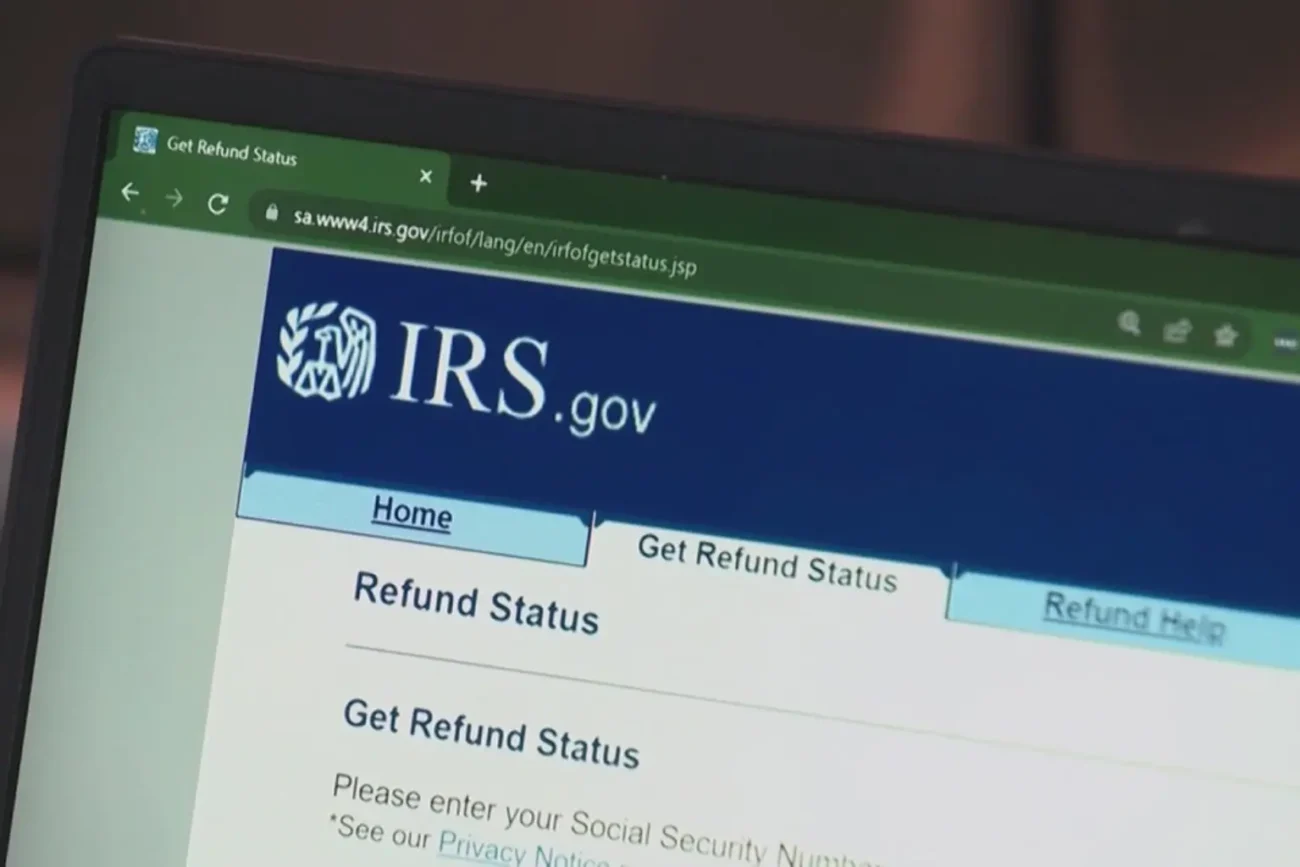
If you checked your bank account this morning and saw a higher amount than you originally calculated on your tax return, you might be feeling a mix of excitement and confusion. It is Tuesday, March 17, and the IRS today is processing a massive wave of deposits that include several new 2026 “Automatic Adjustments.”
If your deposit is $300 to $1,000 larger than you expected, it isn’t necessarily a bank error, it’s likely the result of the “One Big Beautiful Bill” retroactive credits and the new 2026 inflation adjustments that the IRS is applying to returns in real-time.
For many, seeing an extra few hundred dollars hit the account is a life-changing surprise. Whether you are using that money to cover the rising cost of groceries or finally paying off a lingering credit card balance, this “Refund Boost” is becoming the biggest story of the 2026 tax season.
However, the lack of an immediate explanation from the government can be stressful. You might worry that you’ll have to pay this money back or that your IRS Tracker status is showing an error. Rest assured, for most taxpayers, this increase is a legitimate part of the new federal tax landscape.
Why the IRS today is increasing refund amounts automatically
The primary reason your refund might be larger than expected is the “Retroactive Withholding Correction.” In mid-2025, the “One Big Beautiful Bill” Act significantly lowered tax rates for the year, but many employers did not update their payroll withholding tables until January 2026.
This means that for the last six months of 2025, you likely overpaid your federal taxes without even realizing it. The IRS is now identifying these overpayments and adding them to your IRS Refund Waves automatically as your return is processed.
Additionally, the 2026 tax season introduced the “Tariff Dividend” and an expanded Child Tax Credit, which now tops out at $2,200 per child.
If you used an older tax software or if your preparer didn’t account for the final inflation-indexed figures, the IRS computer will “Auto-Correct” your math to ensure you get the maximum amount allowed by law. This is a rare instance where the IRS today is working in your favor to put more money in your pocket than you actually asked for.
Using the IRS tracker to understand your new total
If your deposit hasn’t hit yet but your IRS Tracker status is showing a different number than what is on your paper 1040, you should check your “Notice of Adjustment.” The IRS typically sends a digital message to your IRS Online Account explaining exactly which credit or deduction was adjusted.
These adjustments often involve the new “No Tax on Tips” or “No Tax on Overtime” provisions, which have been a major boost for service industry and blue-collar workers this year.
For seniors, the increase is even more dramatic. The new $6,000 expanded senior deduction has resulted in average refunds jumping by nearly 15% for those over age 65.
If you are seeing a higher amount and you fall into this demographic, it is almost certainly due to these new age-based incentives. You can verify this by looking at your tax transcript for “Code 971,” which indicates a “Notice Issued” to explain the IRS Warning or adjustment that led to your larger payout.
Is there any risk to receiving a larger refund?
The biggest fear most people have when receiving an unexpected $500 or $1,000 is that the IRS will eventually ask for it back with interest. However, when the IRS increases your refund during the initial processing phase, it is because their records (from your W-2s and 1099s) show you are legally entitled to it.
Unlike a bank error where a teller types in the wrong number, these tax adjustments are based on the Federal Tax Brackets and laws currently in effect for 2026.
If you are still concerned, the best proactive step is to save the “Adjustment Letter” you receive in the mail for your 2026 records. This letter acts as your “Receipt” in case of a future audit.
In the meantime, you can feel confident that the IRS Today wave is simply delivering the full value of the tax relief promised by the current administration. Stay informed by checking your status frequently, and enjoy the financial breathing room that this unexpected boost provides.
Editorial: The information provided is for educational purposes based on 2026 IRS/SSA updates and should not be considered professional tax or legal advice. Timelines and eligibility vary by individual case; always verify your specific status through official government portals at IRS.gov or SSA.gov.
