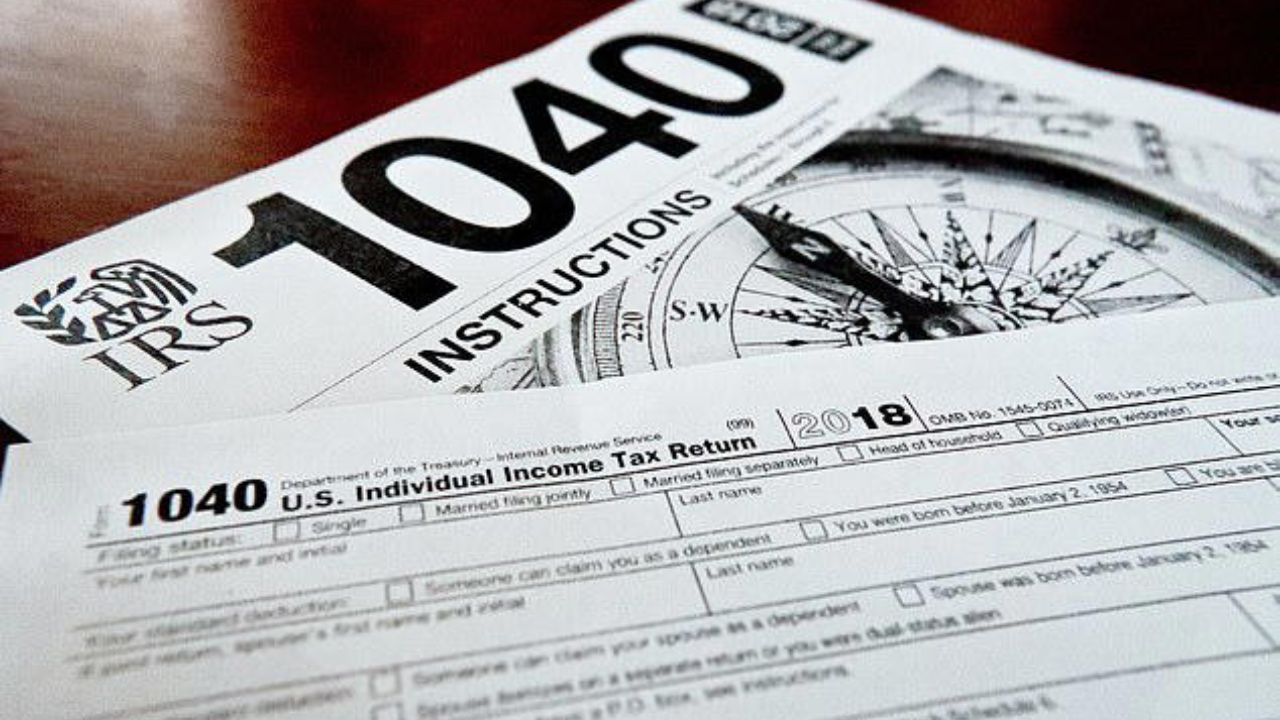
Why the IRS $1.2 Billion Refund Deadline Matters This Week
LIVE UPDATE: The IRS confirmed that approximately 940,000 taxpayers have until April 15, 2026, to claim $1.2 billion in federal payments from 2022. Any funds not claimed by this date will legally become the property of the U.S. Treasury.
The window to claim your share of $1.2 billion in unclaimed refunds is closing in less than three weeks. For nearly one million Americans, this money is not a new stimulus, but a returned portion of their own 2022 earnings.
If you did not file a tax return three years ago, the IRS is holding your money until the April 15 deadline. This situation creates deep anxiety for those who lost records or simply forgot to file during a chaotic year. Knowing exactly how to secure these unclaimed refunds before they vanish is essential for your financial health.
How to Claim Your 2022 Tax Money Before April 15
To secure your funds, you must physically mail a completed 2022 tax return to the IRS. Unlike current year filings, these older returns cannot typically be submitted through standard e-file software for individuals.
You can find the necessary prior year forms directly on the official agency website. The IRS estimates the average median refund for this group is $932, though many low-income workers may be owed much more.
If you are worried about a missing deposit from that era, the first step is gathering your 2022 W-2 or 1099 forms. Many people realize they are owed money only after checking their official transcripts to see what employers reported.
You must ensure your return is postmarked by April 15, 2026, to be considered valid. Once the IRS processes the paperwork, the payment schedule for these older checks usually follows a manual review timeline.
Why $1.2 Billion Remains in the U.S. Treasury
The law provides a three-year window for taxpayers to claim their money before it is forfeited. The IRS holds these unclaimed refunds because many individuals were not required to file due to low income levels.
However, these same individuals often qualify for the Earned Income Tax Credit (EITC), which can be worth several thousand dollars. Even if you earned very little in 2022, you may still be entitled to a significant check.
Many taxpayers often confuse these specific funds with recent schedules or other federal benefit adjustments. The reason this $1.2 billion exists is that the IRS cannot automatically send a refund without a signed tax return.
The system requires you to initiate the request to prove your eligibility for credits and deductions. If you miss this deadline, your money is redirected to the Treasury General Account to fund general government operations.
Avoiding Common Filing Mistakes for Older Returns
When filing for 2022, accuracy is your best defense against a lengthy processing pause at the IRS. You must use the 2022 version of the forms, as using 2025 or 2026 documents will result in an immediate rejection.
Ensure your current mailing address is clearly written on the old form so the check reaches you. If you moved recently, you should also file a change of address form to prevent your refund from being returned to the agency [irs.gov/address-change].
It is also important to note that the IRS may hold your 2022 refund if you haven’t filed for 2023 or 2024. The agency uses these unclaimed refunds as leverage to ensure all tax years are compliant.
Furthermore, if you owe money for student loans or child support, the government may offset your deposit to cover those debts. Verifying your status now allows you to address these issues before the three-year statute of limitations expires on April 15.
What You Should Do Now
- Get Your Transcript: Visit the IRS Get Transcript tool to see your 2022 income records [irs.gov/individuals].
- Download 2022 Forms: Specifically search for Form 1040 for the 2022 tax year on the IRS website.
- Check for Credits: Verify if you were eligible for the Earned Income Tax Credit, which was worth up to $6,935 in 2022.
- Mail via Certified Mail: Go to the post office and send your return with a tracking number before the April 15 deadline.
Taking these steps ensures you don’t lose your unclaimed refunds to the federal government. For many households, $932 or more is a vital lifeline that can pay off debt or build an emergency fund. Don’t let the clock run out on money that you have already earned.
Editorial Note: Investozora is an independent news publication. This content is for informational purposes only. For official guidance, please visit the relevant irs.gov website.